Preparation & perseverance
Learn fire preparation, fire-starting skills, and safe management while practicing patience and problem-solving.
 IRON EMBER LLCUNDERSTAND. RESTORE. STEWARD.
Three days and two nights bringing Christ-centered, whole-person education into practical application through outdoor living, survival skills, and meaningful reflection.
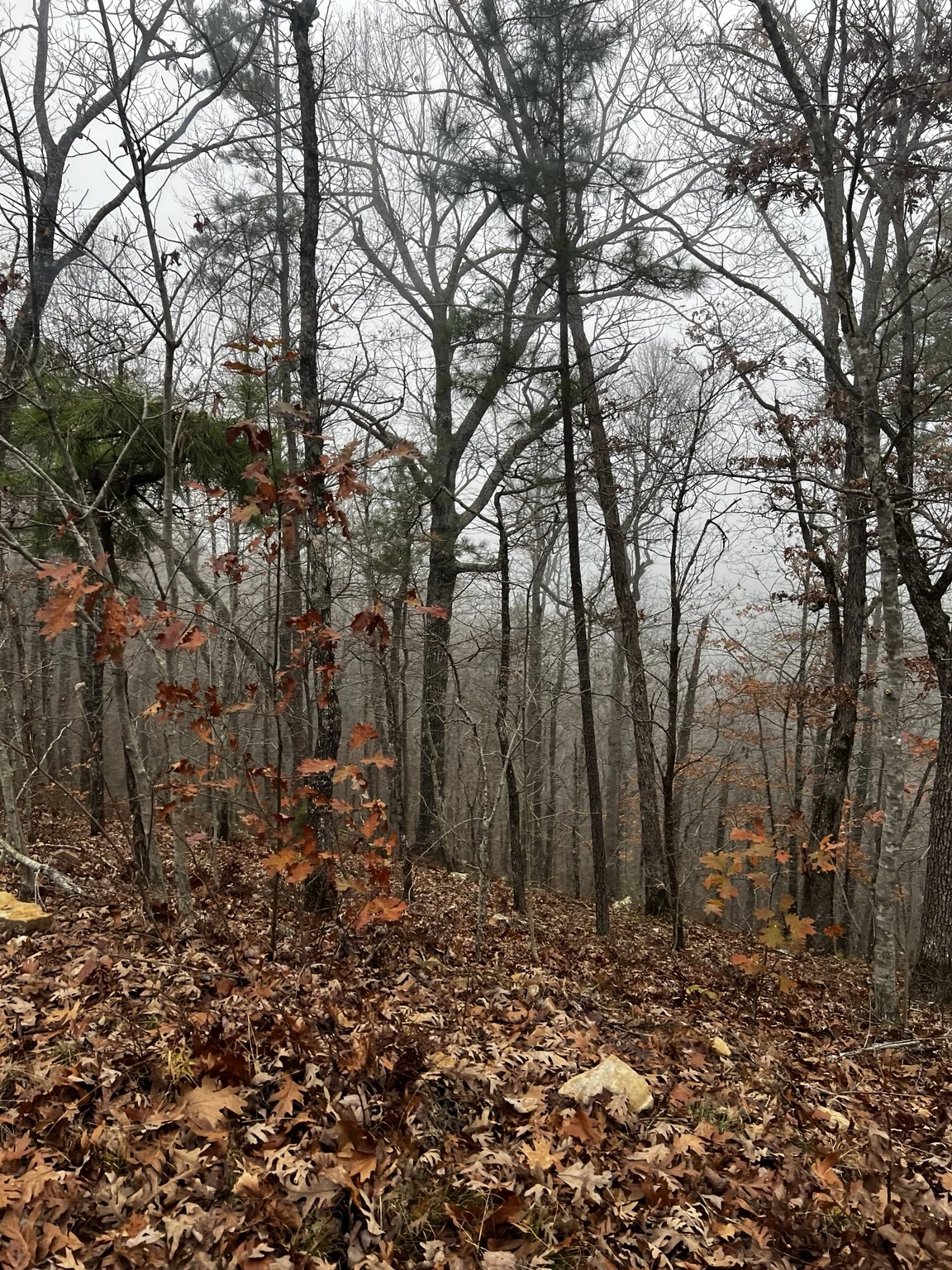

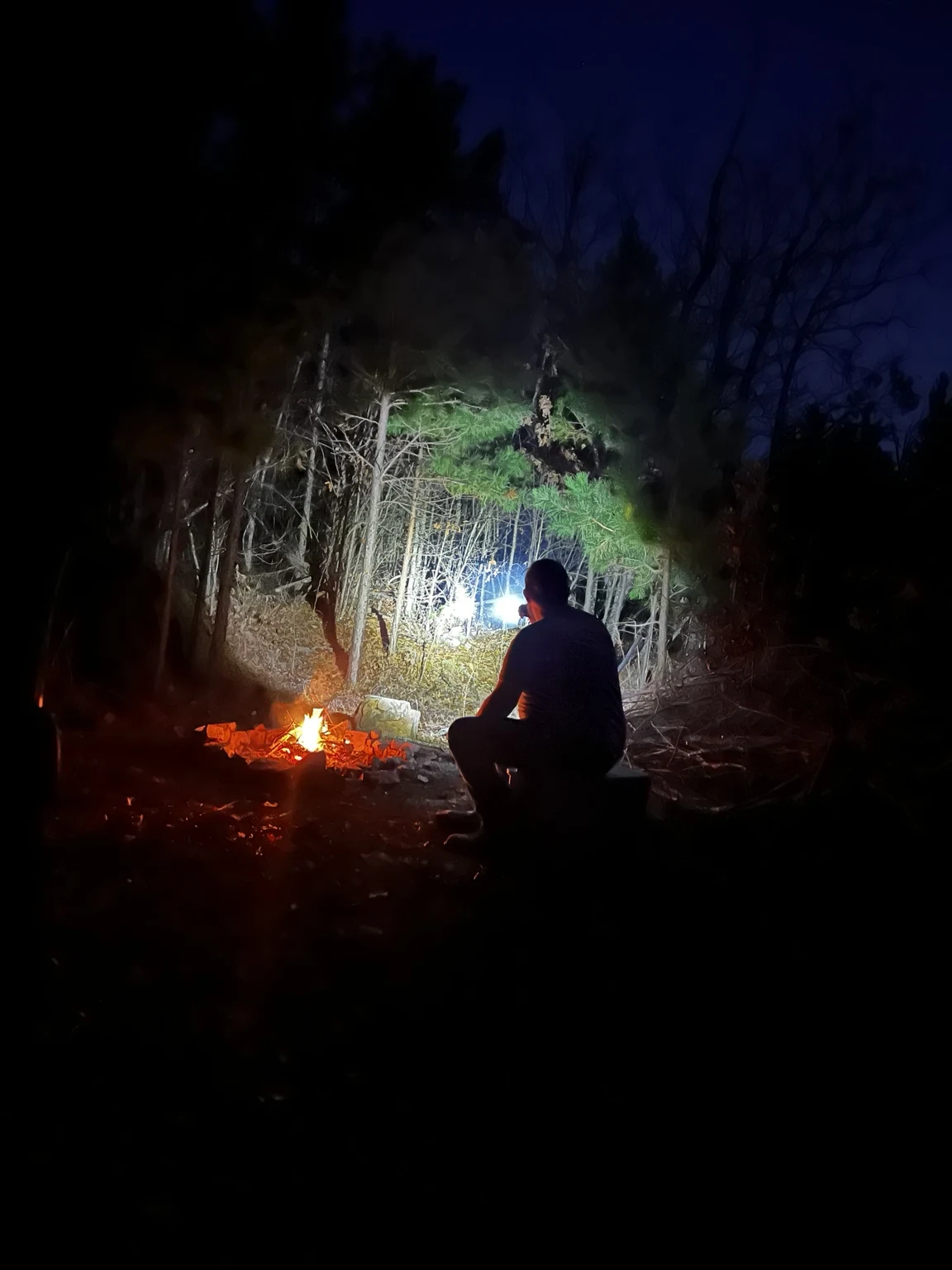
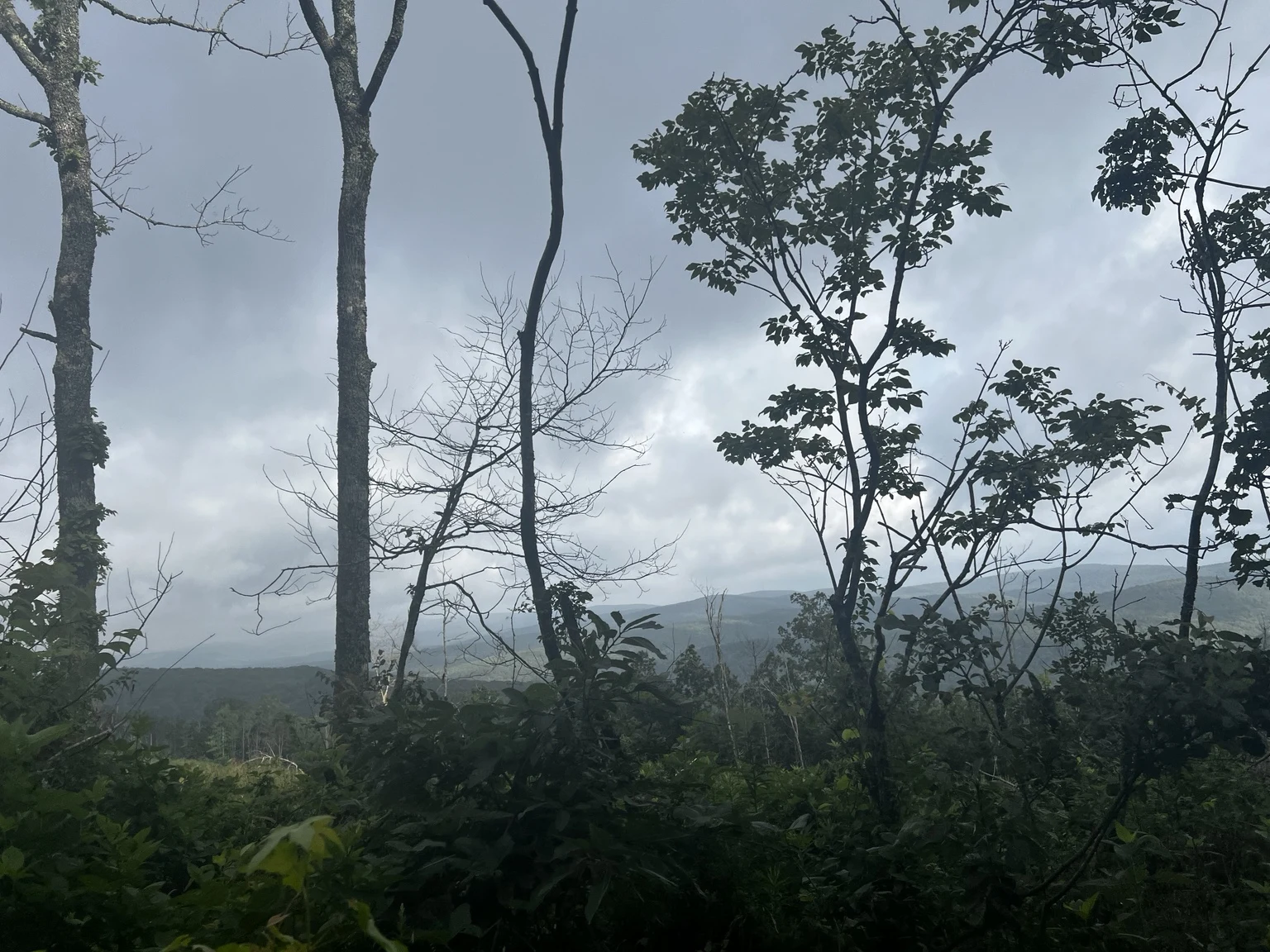
Simple outdoor living creates room to notice your habits, responses, and capabilities. Through practical skills, shared responsibilities, and time to reflect, all nine RESTORE US modules connect to everyday life.
Participate at an appropriate level, with space for rest and quiet. The purpose is education and meaningful experience, with no pressure to make emotional disclosures.
Practice patience, cooperation, resourcefulness, and personal responsibility through foundational outdoor skills and Christ-centered whole-person education.
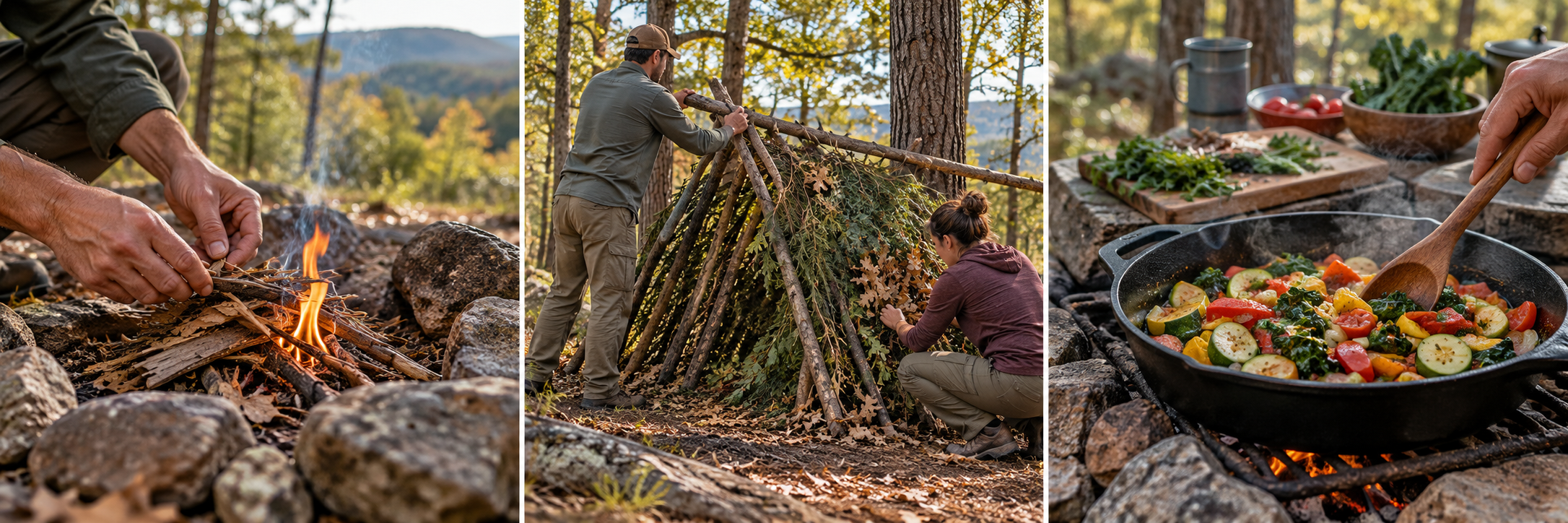
Learn fire preparation, fire-starting skills, and safe management while practicing patience and problem-solving.
Explore practical shelter concepts and teamwork through appropriately supervised activities.
Develop basic orientation, environmental awareness, and decision-making skills.
Cook nutritious meals from supplied whole-food ingredients. Explore fresh, dehydrated, and freeze-dried foods and their role in balanced nutrition.
Experience time outdoors, natural light, movement, appropriate rest, and learning about biological rhythms.
Participate in camp activities, equipment care, resource management, and cooperative learning.
Evening campfire discussions explore biblical principles, stewardship, purpose, and personal responsibility.
Rest, read, pray, reflect, and enjoy nature. The experience is intentionally not overscheduled.
A complete preparation and equipment checklist will be provided in advance.
Iron Ember supplies the food ingredients. Participants prepare and cook their own meals, then clean cooking equipment and preparation areas. Food and scented items must be stored in designated locations rather than sleeping tents.
The experience is intentionally rustic. Tent accommodations, designated toilet facilities, and basic shower areas are planned. Exact amenities will be confirmed before reservations open.
3 days / 2 nights · $550 per person
The signature experience for eligible adults interested in whole-person education, outdoor living, and practical personal growth.
Explore the Classic Experience3 days / 2 nights · Pricing to be announced
Shared learning, outdoor skills, cooperation, confidence, and reflection, with the same RESTORE US foundation.
3 days / 2 nights · Couple pricing to be announced
Communication, cooperation, shared responsibility, and problem-solving through practical learning together. Educational; not couples therapy or marriage counseling.
3 days / 2 nights · Family pricing to be announced
Age-appropriate survival skills, communication, responsibility, and learning together. Age requirements and supervision guidelines will be established before launch.
Dates and pricing to be announced
Potential opportunities with guest survival instructors, outdoor educators, and wilderness specialists. No guests or partnerships are currently announced.
3 days / 2 nights · Proposed $300 per person
A basic wilderness camping experience focused primarily on outdoor skills and practical survival education, distinct from the full RESTORE US framework.
Potential activities include fire building, shelter skills, navigation, outdoor cooking, wilderness preparedness, teamwork, and recreation. Tents may be supplied. Final inclusions, food arrangements, staffing, and dates will be confirmed before enrollment.
More Than Survival Skills
Outdoor movement, sensory awareness, attention, and problem-solving come together in wilderness learning. Published research on nature exposure offers useful context for understanding these connections.
Choose a topic below to explore the activities and the research behind them.
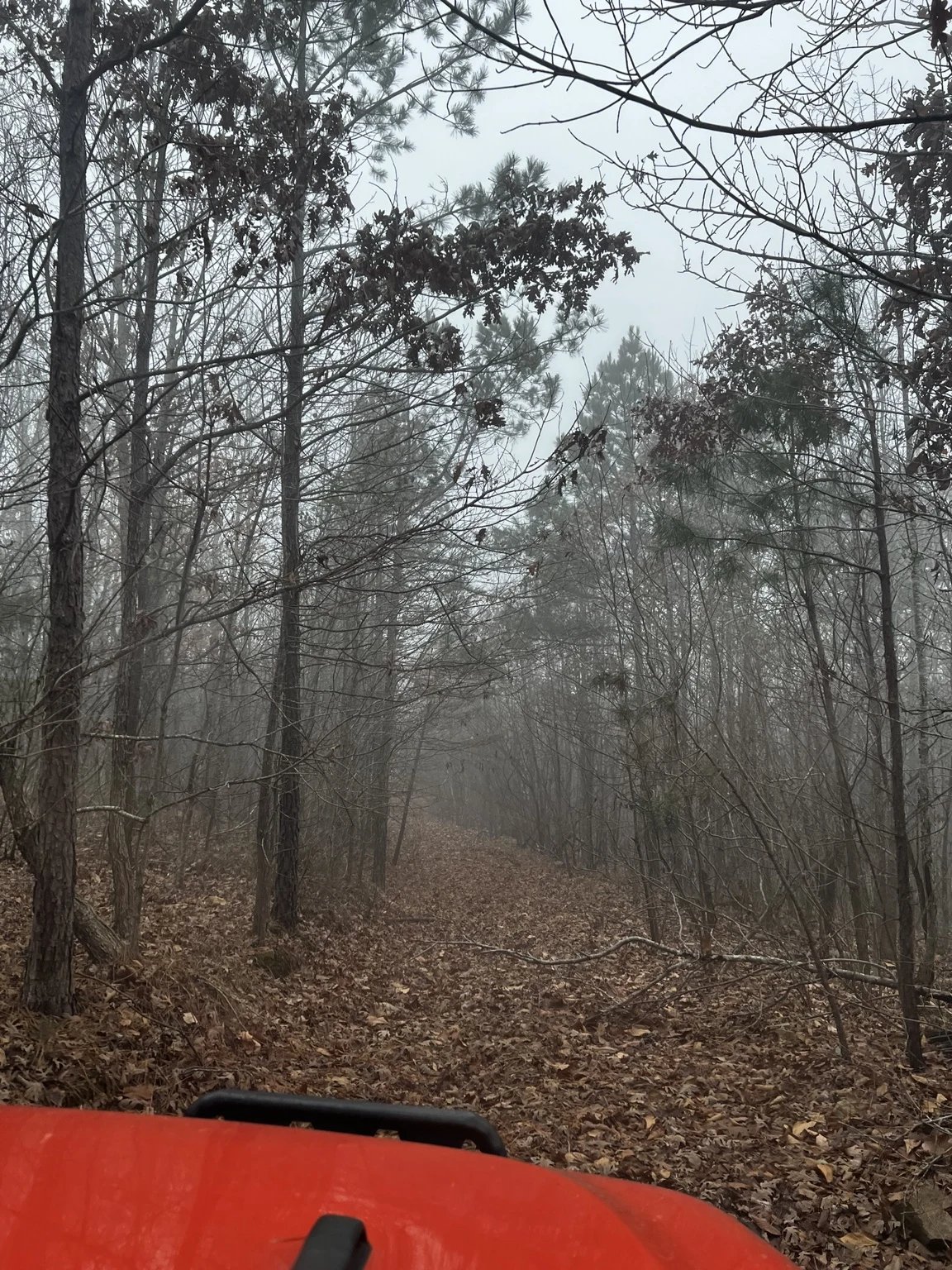
Following animal tracks requires more than looking at footprints.
Participants must observe the surrounding environment, notice small changes, compare information, remain attentive, and adapt their thinking as new clues emerge.
Tracking may involve:
These activities offer opportunities to explore how attention, perception, movement, and decision-making work together.
Our minds are constantly processing information from the surrounding environment. Spending time outdoors creates opportunities to intentionally notice visual, auditory, tactile, and other sensory experiences.
These experiences can support present-moment awareness and provide practical ways to practice grounding. Wilderness tracking combines these elements with an actual outdoor skill.
Participants are not simply instructed to become more aware of their surroundings. They are given a reason to pay attention.
Walking engages coordinated physical movement while allowing us to interact with the surrounding environment.
During wilderness tracking, participants may alternate visual attention across the landscape while walking, stopping, observing, and changing direction.
These activities involve sensory processing, coordination, and cognitive attention.
Research has found that walking in natural environments can improve performance on certain attention and memory tasks compared with urban environments. This provides a research-informed foundation for including outdoor movement and observation in educational experiences.
Ordinary walking and tracking are wilderness learning activities. They are not EMDR and should not be understood as producing equivalent trauma-processing effects.
Iron Ember uses these activities for wilderness education, observation, sensory awareness, and practical learning.
Research suggests that spending time in natural settings may offer psychological benefits beyond the enjoyment of being outdoors.
Studies have examined how natural environments relate to:
These findings contribute to our understanding of why the environment itself matters when designing meaningful educational experiences.
RESTORE US uses nature as more than a backdrop. The natural environment is an active part of the learning experience.
Wilderness tracking provides opportunities for participants to encounter everyday challenges in a different setting.
A trail may become difficult to follow. A footprint may be unclear. An initial assumption may prove incorrect.
These situations encourage participants to observe, reassess, make decisions, and adjust their approach.
Through guided education, these practical experiences can be connected to broader concepts involving attention, perception, emotional responses, flexibility, and personal responsibility.
The goal is not to promise psychological transformation from an individual activity. The goal is to create opportunities for meaningful observation, learning, and practical application.
Read the published studies informing these connections.
Research highlighted here examines the effects of nature exposure, walking, and related psychological processes. It does not establish that individual RESTORE US activities reproduce the outcomes of these studies. RESTORE US is an educational experience, not psychotherapy or medical treatment.
Explore RESTORE US, attend a free introduction, or discover what awaits in the Oklahoma wilderness.